.png)

5 Essential Skills Every Fashion Designer Must Master
Fashion design is not just about sketching beautiful garments; it’s a multifaceted discipline that requires a blend of creativity, technical skills, and business acumen. Whether you are a budding designer or an established professional, mastering certain skills can set you apart in this competitive industry. In this post, we will explore five essential skills every fashion designer must master to thrive in their careers.

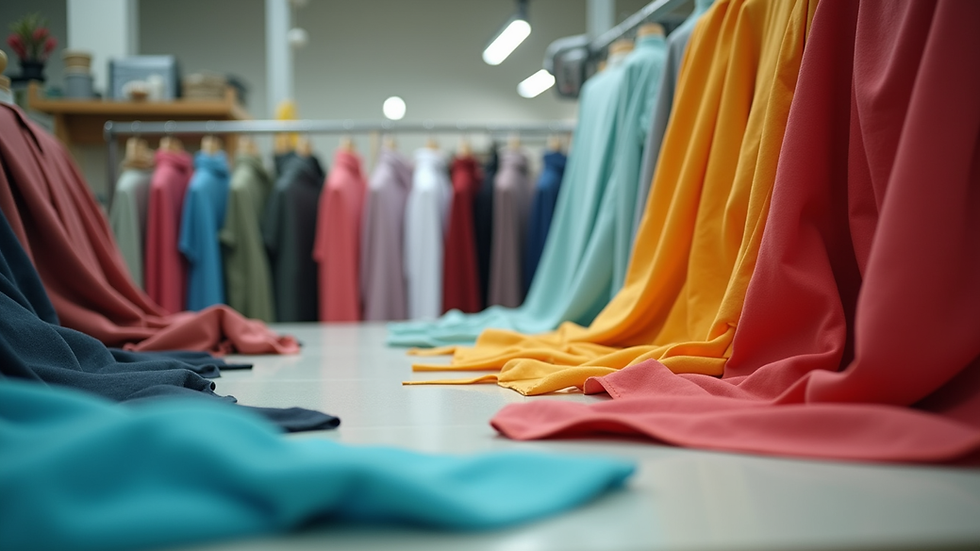
Understanding Fabric and Textiles
One of the foundational skills for any fashion designer is a deep understanding of fabrics and textiles. This knowledge goes beyond knowing the names of materials; it involves understanding how different fabrics behave, their properties, and how they can be manipulated in design.
Key Aspects of Fabric Knowledge
Types of Fabrics: Familiarize yourself with various fabrics such as cotton, silk, wool, and synthetic materials. Each has unique characteristics that affect the drape, texture, and overall look of a garment.
Fabric Properties: Learn about weight, stretch, breathability, and durability. For example, a lightweight fabric like chiffon is perfect for flowy dresses, while heavier fabrics like denim are ideal for structured pieces.
Sustainability: With the growing emphasis on sustainable fashion, understanding eco-friendly fabrics and production methods is increasingly important. Designers should consider sourcing organic materials or recycled fabrics to reduce their environmental impact.
Practical Application
To enhance your fabric knowledge, consider visiting fabric stores or textile exhibitions. Engage with suppliers to learn about new materials and trends. Additionally, experimenting with different fabrics in your designs can help you understand their unique qualities firsthand.
Mastering Technical Skills
Technical skills are crucial for translating your creative ideas into tangible designs. This includes proficiency in sewing, pattern making, and garment construction.
Essential Technical Skills
Sewing: A strong foundation in sewing techniques is vital. This includes understanding different stitches, seams, and finishing techniques. Being able to sew your designs allows for greater creativity and control over the final product.
Pattern Making: Learning how to create patterns from scratch is an invaluable skill. This involves drafting patterns based on measurements and understanding how to modify them for different sizes and styles.
Garment Construction: Familiarize yourself with the entire garment construction process, from cutting fabric to assembling pieces. Understanding how garments are put together will help you design more effectively.
Practical Application
Consider enrolling in sewing and pattern-making classes to refine your skills. Many community colleges and fashion schools offer courses that cater to various skill levels. Additionally, practice by creating your own garments or collaborating with others to gain hands-on experience.
Developing a Unique Design Aesthetic
In a world saturated with fashion, having a unique design aesthetic is essential for standing out. Your aesthetic is your signature style, and it should reflect your personality and vision as a designer.
Steps to Develop Your Aesthetic
Research and Inspiration: Explore various sources of inspiration, such as art, architecture, nature, and cultural influences. Create mood boards to visualize your ideas and themes.
Experimentation: Don’t be afraid to experiment with different styles, colors, and silhouettes. This process will help you discover what resonates with you and your target audience.
Consistency: While experimentation is important, maintaining a level of consistency in your designs will help establish your brand identity. This could be through recurring motifs, color palettes, or design elements.
Practical Application
Attend fashion shows, exhibitions, and art galleries to immerse yourself in different aesthetics. Keep a sketchbook handy to jot down ideas and sketches whenever inspiration strikes. Over time, you will begin to see patterns in your work that define your unique style.
Business Acumen
Understanding the business side of fashion is just as important as the creative aspect. Fashion designers must navigate various business challenges, from marketing their collections to managing finances.
Key Business Skills
Marketing: Learn how to effectively promote your designs. This includes understanding your target audience, developing a marketing strategy, and utilizing social media platforms to showcase your work.
Financial Management: Familiarize yourself with budgeting, pricing, and financial planning. Knowing how to manage your finances will help you sustain your business in the long run.
Networking: Building relationships within the fashion industry is crucial. Attend industry events, connect with other designers, and seek mentorship opportunities to expand your network.
Practical Application
Consider taking business courses tailored for creatives. Many online platforms offer courses on fashion marketing, entrepreneurship, and financial management. Additionally, actively engage with your local fashion community to build connections and gain insights.
Staying Current with Trends
The fashion industry is ever-evolving, and staying current with trends is essential for any designer. Understanding what’s in vogue allows you to create relevant and appealing designs.
How to Stay Updated
Follow Fashion Weeks: Keep an eye on major fashion weeks around the world. These events showcase the latest trends and innovations in the industry.
Read Fashion Publications: Subscribe to fashion magazines, blogs, and journals to stay informed about emerging trends, designer interviews, and industry news.
Engage with Social Media: Platforms like Instagram and Pinterest are great for discovering new trends and connecting with other fashion enthusiasts. Follow influential designers and trendsetters for inspiration.
Practical Application
Set aside time each week to research and review current trends. Create a digital or physical scrapbook of looks that inspire you. This will not only keep you informed but also help you incorporate relevant trends into your designs.
Conclusion
Mastering these five essential skills—understanding fabrics, technical proficiency, developing a unique aesthetic, business acumen, and staying current with trends—will empower you as a fashion designer. Each skill complements the others, creating a well-rounded foundation for your career.
As you embark on your journey in the fashion industry, remember that continuous learning and adaptation are key. Embrace challenges, seek inspiration, and most importantly, stay true to your unique vision. With dedication and passion, you can carve out your own niche in the vibrant world of fashion design.

Comments